Tree Care Ireland
Read Time:4 Minute, 15 Second
The Essential Guide to Professional Tree Care: Health, Safety, and Sustainability
Trees are magnificent living assets that enhance our landscapes, provide environmental benefits, and increase property values. Yet, like any valuable asset, they require proper care and attention throughout their lifecycle. This comprehensive guide explores the fundamental principles of tree stewardship and highlights situations where professional expertise becomes not just valuable, but essential for the safety and longevity of your trees.
Understanding the Lifecycle of a Tree
Effective tree care begins with understanding that trees are dynamic organisms with changing needs. A young sapling requires different attention than a mature specimen. The key is to provide the right care at the right time:
-
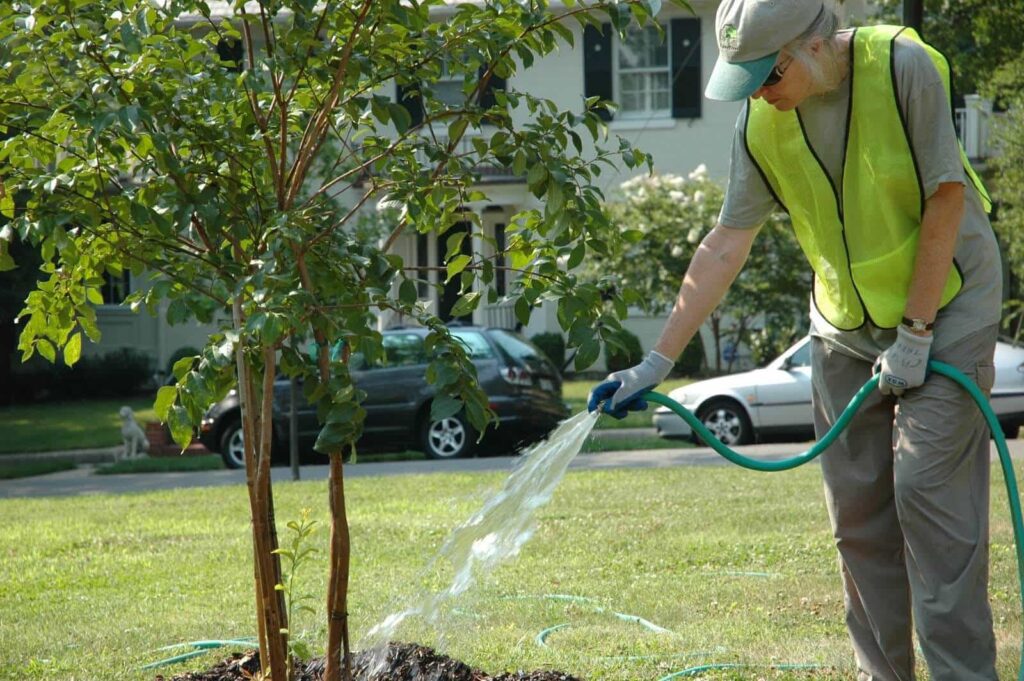
Establishment Phase (First 3-5 Years): This critical period focuses on root development. Consistent deep watering, proper mulching (avoiding “volcano mulching” against the trunk), and protection from physical damage are paramount. Structural pruning to establish a strong central leader and well-spaced scaffold branches should begin early.
-
Maturation Phase (Years 5-30+): As the tree grows, maintenance shifts to health monitoring, crown thinning for light and air penetration, and the removal of dead, diseased, or hazardous limbs. Soil health becomes increasingly important.
-
Maturity and Senescence: Older trees require careful monitoring for stability, decay, and overall vitality. Interventions aim to preserve the tree safely for as long as possible, sometimes involving advanced techniques like cabling or bracing.
Foundational Practices for Homeowners
While complex tasks require professionals, homeowners play a crucial role in daily and seasonal tree care.
1. Intelligent Planting: The “Right Tree, Right Place” Doctrine
The single most important decision you make is where and what to plant. Consider the tree’s mature height and spread—will it conflict with overhead wires, structures, or other trees? Assess soil type, drainage, and sun exposure. Planting a sun-loving oak in a shaded, wet corner is a recipe for long-term stress and decline.
2. Proper Watering and Mulching
Deep, infrequent watering encourages roots to grow downward, creating a more stable and drought-resistant tree. A 2-4 inch layer of organic mulch (like wood chips) in a wide ring around the tree—kept well away from the trunk—conserves moisture, moderates soil temperature, and reduces grass competition. Remember, mulch should resemble a donut, not a volcano.
3. Pruning with Purpose
Pruning should always have a clear objective: removing deadwood, improving structure, increasing light penetration, or reducing risk.
-
Timing: Most structural pruning is best done during dormancy (late winter). However, dead or dangerous branches can be removed at any time.
-
Technique: Make clean cuts just outside the branch collar to promote proper healing. Never top a tree, as this creates weak, hazardous growth and invites disease.
4. Vigilant Monitoring
Regularly inspect your trees. Look for new signs such as:
-
Fungal Growth (mushrooms at the base or on the trunk)
-
Cracks or Splits in the trunk or major limbs
-
Unseasonable Leaf Loss or discoloration
-
Pest Activity (unusual holes, sawdust-like frass, or leaf damage)
The Critical Role of Professional Arborists
There comes a point in nearly every tree’s life—or in specific situations—where DIY care is insufficient or outright dangerous. This is where the knowledge and skill of a certified arborist are indispensable.
When You Absolutely Need a Professional:
-
Working at Height or Near Hazards: Any pruning or work that requires a ladder or involves proximity to power lines demands professional equipment, training, and insurance. This is non-negotiable for safety.
-
Diagnosing Complex Health Issues: Arborists can accurately diagnose pests, diseases, and abiotic disorders (like soil compaction or nutrient deficiencies) that might not be obvious to the untrained eye.
-
Risk Assessment After Storms: They can evaluate storm-damaged trees to determine if they can be saved or must be removed to prevent property damage or personal injury.
-
Mature Tree Care and Preservation: Techniques like crown reduction, deadwooding, and installing support systems (cables/braces) require precise knowledge of tree biology and physics.
-
Safe and Efficient Tree Removal: When removal is necessary, professionals ensure it is done safely, with consideration for surrounding structures, and often with the ability to recycle the wood.
For property owners in Ireland facing these complex scenarios, engaging with a reputable firm like https://www.okennedytreecare.ie/ ensures that the work is performed to the highest standards of safety, arboricultural science, and environmental responsibility. Their team of qualified arborists can provide everything from health consultations and precision pruning to safe removals and stump management.
Investing in Long-Term Tree Health
Caring for trees is a long-term commitment. A proactive approach—combining sound homeowner practices with timely professional intervention—is far more effective and economical than reacting to crises. Regular health checks by a professional, similar to taking a car for servicing, can identify and mitigate small issues before they become major, costly problems.
By understanding both the art and science of tree care, and knowing when to call in certified experts, you become a true steward of your landscape. You ensure that your trees remain healthy, safe, and beautiful legacies for generations to come, continuing to provide their invaluable gifts of clean air, shade, and natural beauty.


Happy
0 %

Sad
0 %

Excited
0 %

Sleepy
0 %

Angry
0 %

Surprise
0 %
 0
0
 0
0